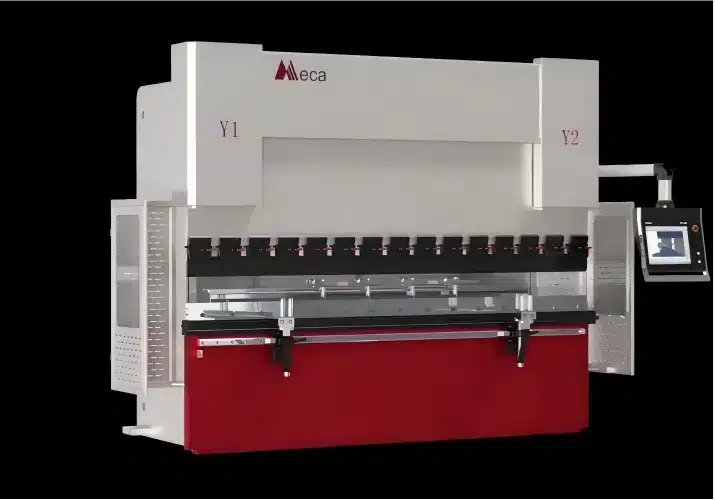
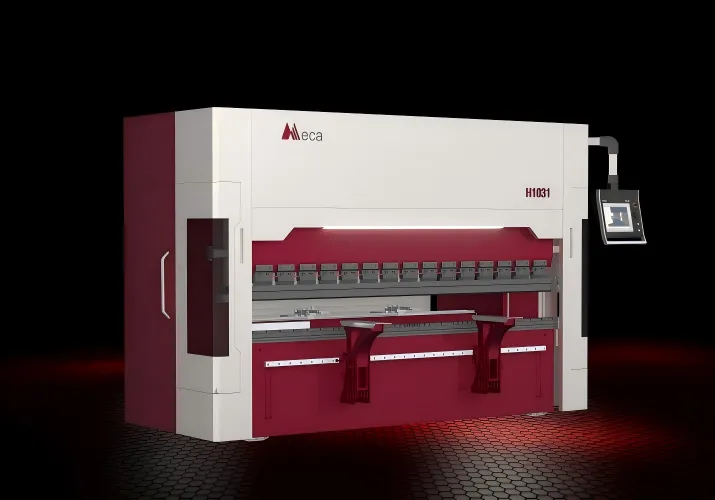
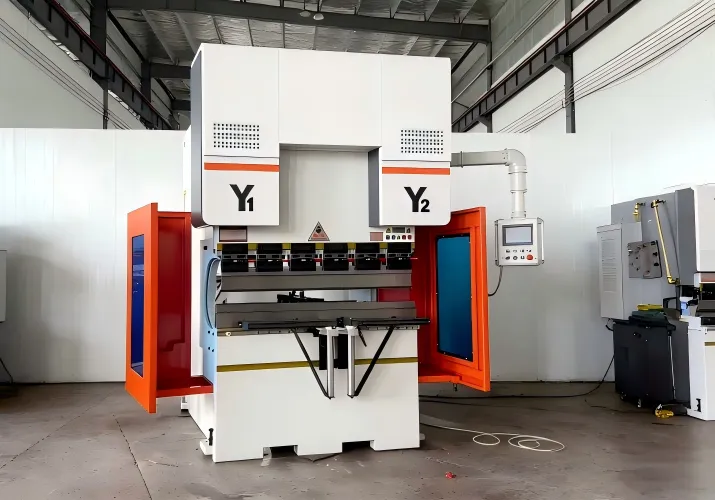
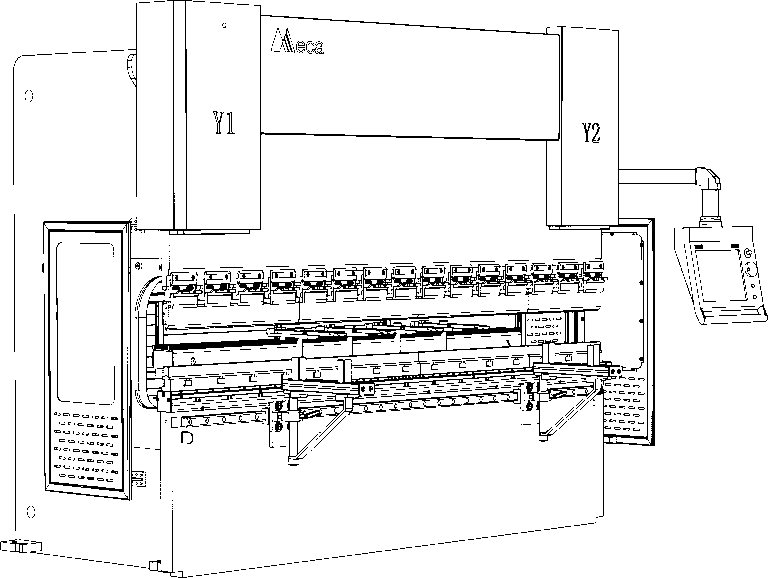
The higher upfront cost of a Servo-driven or Hybrid system reflects a fundamental upgrade in technology, components, and long-term operational value. Here is where the extra investment goes:
-
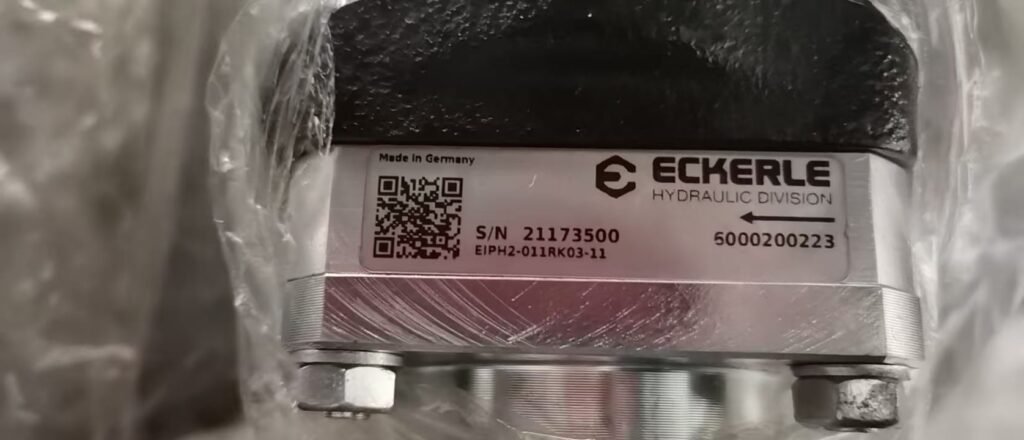
High-Cost Precision Components: Servo systems require specialized high-torque motors and advanced drive controllers (like Delem or ESA) to manage synchronized movement. These components are significantly more expensive than standard industrial induction motors.
-
Superior Speed & Productivity: A servo motor can accelerate and decelerate the ram almost instantly. This reduces “idle time” during the approach and return strokes, increasing your daily output by 20-30% compared to traditional machines.
-
Enhanced Thermal Stability & Accuracy: Traditional motors run 100% of the time, heating up the hydraulic oil. Heat causes the oil to thin, leading to “angle drift” throughout the day. Servo motors only run when bending, keeping the oil cool and ensuring the first bend is as accurate as the last.
-
Maintenance & Energy Savings: By eliminating continuous idling and reducing oil temperature, the lifespan of hydraulic seals and valves is doubled. Combined with 50% lower electricity bills, the machine often pays for the price difference within 2-3 years.
Summary: You are not just paying for a motor; you are paying for higher output per hour, zero angle fluctuations due to heat, and a massive reduction in long-term energy and maintenance costs.
[Full Economic Analysis]: Learn more about the ROI and technical advantages in our detailed comparison: Servo Motor vs. Induction Motor: Is the Upgrade Worth It?.