Single 6000mm Press Brake or Tandem Press Brake? A Real Machine Selection Story
Table of Content
📋 The Customer’s Situation
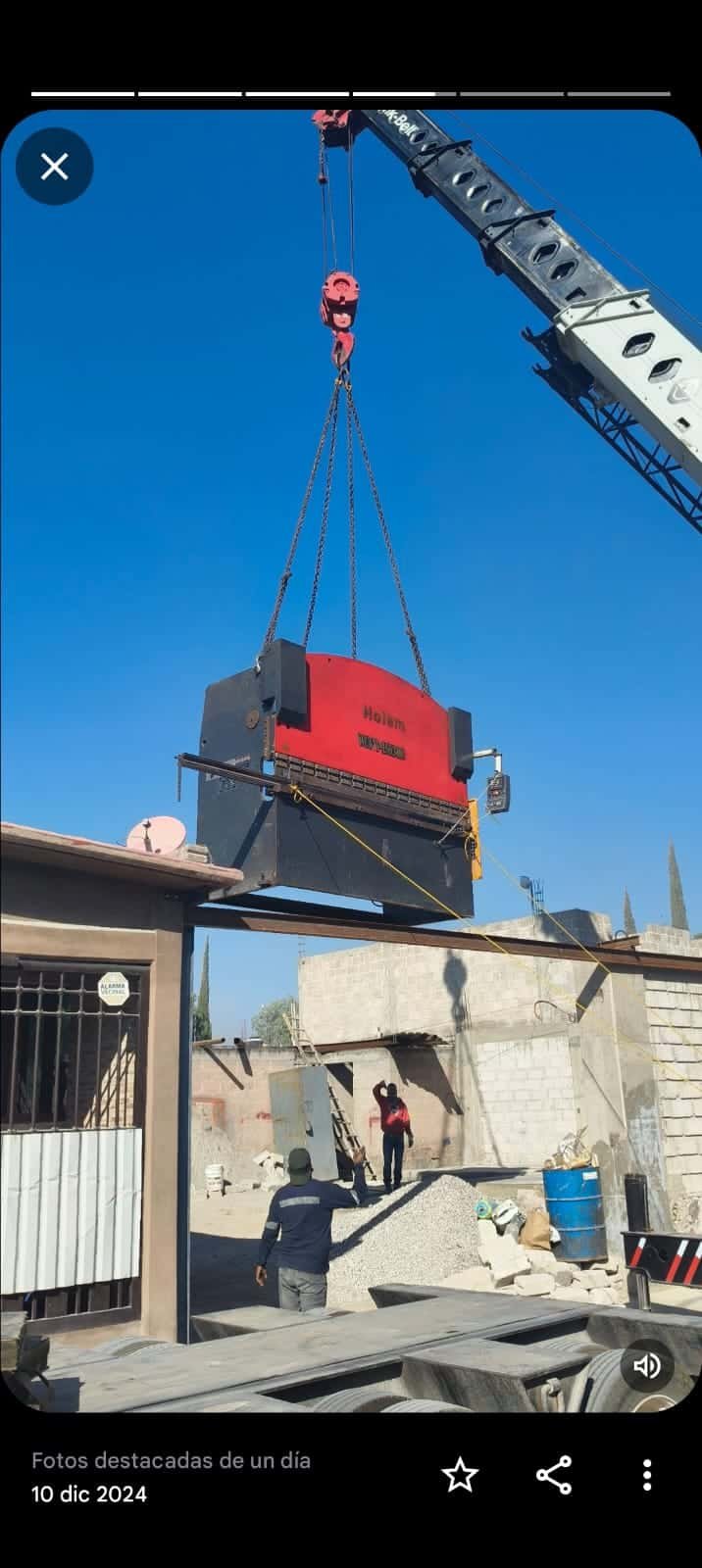
A customer contacted us about an older torsion bar press brake that was producing inconsistent bending angles.
The original question was whether replacing several worn components could restore the machine’s accuracy. However, after discussing the machine condition and the customer’s future production requirements, the real decision became:
Should the customer continue repairing the old machine, or invest in a new CNC press brake?
The Problem with the Existing Press Brake
After years of operation, the customer’s torsion bar press brake had begun producing uneven bending angles across the working length.
The customer initially considered replacing several components. However, on an older mechanically synchronized press brake, accuracy problems may result from accumulated wear in multiple parts of the synchronization system.
Repairing individual components may improve the machine, but it may not fully restore stable long-term accuracy.
More importantly, the existing machine could not meet the customer’s future requirement for bending workpieces up to 6 meters.
This shifted the discussion from repairing the old machine to selecting a new press brake.
6000mm Single Press Brake or Tandem Press Brake?
Two configurations were considered:
Option 1: 320T × 6000 mm single press brake
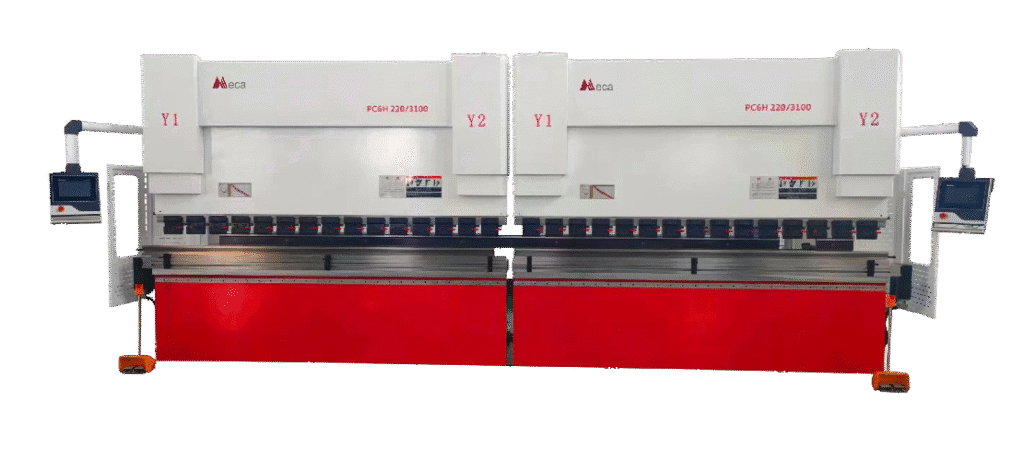
Option 2: 2 × 320T × 3100 mm tandem press brake
A single 6000 mm press brake is suitable when most production involves long workpieces and the machine will mainly be used for long-part bending.
A tandem press brake offers more flexibility. The two machines can work synchronously for long workpieces or operate independently for shorter components.
For manufacturers producing different workpiece sizes, this can improve machine utilization.
Why We Recommended the Tandem Press Brake
For this customer, we recommended the tandem configuration mainly because of production flexibility.
When operating together, the two 320T × 3100 mm press brakes can process long workpieces of approximately 6 meters.
When long-part bending is not required, the machines can operate independently for standard-length components.
This gives the customer:
- Long-workpiece bending capability
- Two-machine independent production
- Greater flexibility for different workpiece sizes
- Easier transportation and installation compared with one oversized machine
For this production environment, the tandem system offered better overall flexibility than a dedicated 6000 mm press brake.
What Can Other Buyers Learn from This Case?
When an older press brake begins to lose accuracy, the decision should not focus only on repair cost.
Machine age, synchronization system, future maintenance, required bending accuracy, and future production needs should all be considered.
The same applies when choosing between a single long-bed press brake and a tandem press brake.
A single 6000 mm press brake is suitable for manufacturers mainly producing long components.
A tandem press brake is often more suitable when both long and standard-length workpieces need to be produced.
The right choice depends on the production requirement, not simply on the maximum bending length.
Need Help Choosing the Right Press Brake?
Tell us your material, thickness, bending length, and workpiece type. Our engineering team can help compare suitable press brake configurations for your production.