What international standards the quality inspection process for press brakes should comply with
Table of Content
This post is also available in:
Press brake quality inspection relies on several international standards, including ISO, ANSI, OSHA, CE, and EN. These standards set strict requirements for safety and performance. International safety standards help protect operators and ensure accurate machine operation. Non-compliance with these standards can lead to severe safety risks or legal penalties. Companies that follow these standards demonstrate commitment to quality and safety.
Key Takeaways
- International standards like ISO, ANSI, and OSHA ensure safety and performance in press brake operations.
- Compliance with these standards protects operators and reduces the risk of accidents and legal issues.
- Meeting quality standards enhances product reliability and helps manufacturers access global markets.
- Regular inspections and employee training are essential for maintaining compliance and safety.
- Following international standards builds a strong reputation and trust with customers in the industry.
Key International Standards for Press Brake Quality
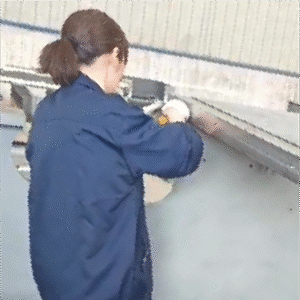
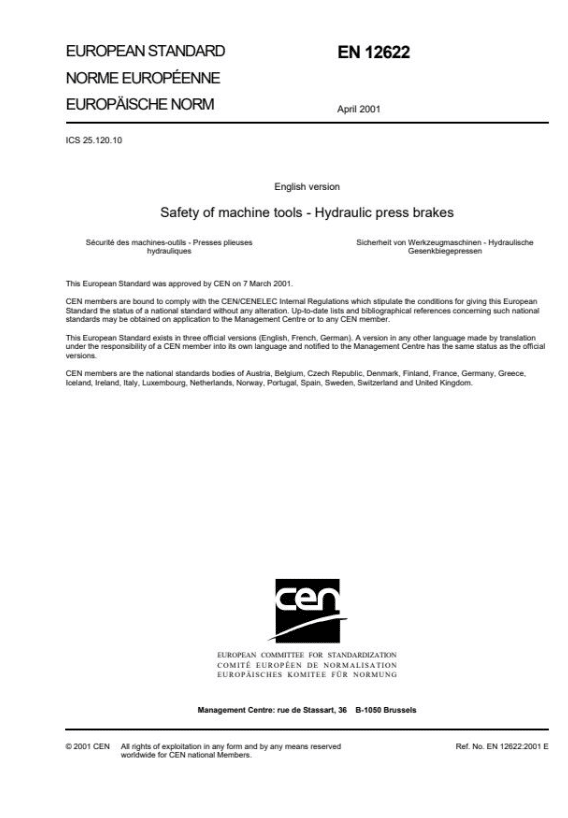
Press brake manufacturers must follow international standards to ensure machines meet strict safety and performance requirements. These standards guide the inspection process and help companies maintain high levels of quality. The most important standards include ISO certifications, ANSI standards, OSHA regulations, CE Marking, and EN 12622. Each standard specification addresses different aspects of press brake design, operation, and inspection.
ISO Standards for Press Brake Inspection
ISO certifications play a major role in press brake quality inspection. ISO 9001, ISO 13849, and ISO/FDIS 6909 set requirements for technical safety, machine types, and hazard management. The table below summarizes their main requirements:
| Requirement | Description |
|---|---|
| Technical Safety Requirements | Specifies safety measures for the design, manufacture, and supply of press brakes. |
| Types of Machines Covered | Includes hydraulic press brakes, hydraulic servo-drive press brakes, and others. |
| Significant Hazards | Addresses hazards during various phases of the machine’s life cycle. |
| Exclusions | Does not cover certain types of machines and hazards related to explosive atmospheres. |
ISO standards focus on the manufacturing process and ensure that press brake products are produced under strict quality controls. ISO 9001 certification shows that a manufacturer uses consistent and effective processes. This helps prevent failures and improves safety and performance in industrial settings. Safety standards establish a baseline of reliability, which is essential for protecting operators and maintaining efficient operations.
ANSI and OSHA Safety Standards
ANSI standards and OSHA regulations set important safety standards for press brake operation in the United States. ANSI B11.3 and ANSI B11.19 provide guidelines for the safe use of power press brakes. OSHA 1910.212 outlines requirements for machine guarding and operator protection. These safety standards address specific hazards and establish rules for safe operation.
Manufacturers must follow ANSI and OSHA standards to reduce risks and prevent accidents. These standards help companies meet legal requirements and protect workers from injuries. Safety standards also improve the reliability of press brake machines by ensuring that they operate within safe limits.
CE Marking and EN 12622 Compliance
CE Marking and EN 12622 compliance are essential for press brake manufacturers who want to export products to the European Union. The table below highlights the criteria for CE Marking and EN 12622:
| Standard | Description |
|---|---|
| EN ISO 12100 | Focuses on risk assessment and hazard identification, guiding designers to mitigate risks from the design stage. |
| EN ISO 13849-1 | Introduces a Performance Level (PL) metric for assessing the reliability of safety control systems, ensuring they meet required safety functions. |
| EN 12622 | Provides specific safety requirements for hydraulic press brakes, including safety measures for Active Opto-electronic Protective Devices (AOPDs) and operational safety parameters. |
CE Marking indicates compliance with EU safety and performance standards. EN 12622 ensures that hydraulic press brakes meet specific safety requirements. Compliance with these standards reduces technical barriers and enables manufacturers to access the EU market more easily.
How International Standards Work Together
International standards collectively improve safety, performance, and regulatory compliance in press brake quality inspection. The table below shows their contributions:
| Contribution Type | Description |
|---|---|
| Improved Safety | Addresses specific hazards and establishes guidelines for safe operation of power press brakes. |
| Enhanced Performance | Provides detailed safety requirements tailored to the operation of press brakes, ensuring efficiency. |
| Regulatory Compliance | Helps manufacturers and operators adhere to modern safety practices, ensuring compliance with regulations. |
Press brake manufacturers who follow international standards demonstrate a commitment to safety and quality. These standards help companies meet legal requirements, improve product reliability, and gain access to global markets. By following safety standards and maintaining compliance, manufacturers protect operators and ensure the long-term success of their products.
Importance of Compliance with Standards
Safety and Operator Protection
Press brake manufacturers and buyers must prioritize compliance with international standards to protect the safety of operators. These standards require the use of advanced safety mechanisms on every industrial press brake. The table below highlights some of the most important safety features:
| Safety Mechanism | Description |
|---|---|
| Presence Sensing Devices | Detects if an operator’s body part enters the danger zone and stops the machine immediately. |
| Dual-channel setups | Ensures backup protection if one safety component fails. |
| Two-hand safeguard systems | Requires operators to use both hands, reducing accidental activation risks. |
| Physical barriers | Shields areas not covered by electronic devices. |
| Six-inch regulatory limit | Keeps operators’ hands at a safe distance from the dies. |
These safety measures reduce the risk of accidents and ensure the safety of operators during press brake operation. Standards like OSHA 29 CFR 1910.212 and 1910.219 require machine guarding and safe power transmission, further protecting workers.
Product Quality and Reliability
International standards play a vital role in maintaining the quality and reliability of every press brake. Manufacturers must follow strict quality control measures, such as those outlined in ISO 9001 and ANSI B11.3-2010. The table below summarizes key requirements:
| Standard | Description |
|---|---|
| ISO 9001 | Sets up a quality management system to ensure products meet specifications. |
| OSHA 29 CFR 1910.217 | Covers safe operation, design, and operator training for mechanical power presses. |
| ANSI B11.3-2010 | Details safety guards, emergency stops, and operational requirements. |
| CECIMO EN 12622:2009 | Specifies design, construction, and testing requirements for press brakes. |
Adherence to these standards ensures long-term reliability and consistent performance. Regular maintenance logs and operator training records help maintain high standards and prevent failures.
Legal and Market Access
Compliance with international standards allows press brake manufacturers to meet global regulations and enter new markets. Standards such as ISO 230-2 and ISO 6983 support accuracy, performance, and interoperability. Communication protocols like Ethernet/IP and Modbus enable integration with automation systems. Meeting these requirements protects investments and builds trust with buyers. Companies that follow these standards gain a competitive edge and foster strong business relationships.
Compliance with standards ensures safety, quality, and legal access for every press brake. It also supports the safety of operators and helps companies navigate complex regulations.
Benefits of Meeting International Standards
Enhanced Reputation and Trust
Manufacturers who meet international standards for press brake production earn a strong reputation in the industry. Customers recognize companies that guarantee uptime rates exceeding 99% as reliable partners. Extended warranties on machine frames show confidence in durability, which builds trust with buyers. In-house production of critical components leads to better hardware-software synergy, ensuring long-term support and reliability.
- Manufacturers guarantee uptime rates above 99%, demonstrating reliability.
- Extended warranties on machine frames indicate confidence in durability.
- In-house production of critical components ensures better synergy and long-term support.
Press brake companies that follow quality standards and comprehensive quality control procedures show their commitment to safety and performance. This commitment helps them stand out in a competitive market.
Reduced Risk and Liability
Meeting international standards reduces risk and liability for press brake manufacturers. The following table highlights how specific standards impact risk management:
| Standard | Description | Impact on Risk and Liability |
|---|---|---|
| ISO 12100 | Encourages protective measures in a hierarchy, starting with design improvements. | Helps demonstrate compliance with legal requirements, reducing legal risk and facilitating global market access. |
| ANSI B11.19-2019 | Performance requirements for risk reduction measures. | Provides guidelines to minimize risks associated with machinery, including press brakes. |
Press brake manufacturers who follow these standard specifications can demonstrate compliance with legal and safety requirements. This reduces the chance of accidents and legal disputes. Companies also gain easier access to global markets by meeting these requirements.
Streamlined Quality Processes
Implementing international standards leads to streamlined quality processes in press brake manufacturing. Automation reduces setup time and increases production rates, which enhances productivity. Higher precision results from automation, minimizing human error and improving product quality. Lower labor costs allow companies to allocate resources more efficiently. Robotic bending cells automate material handling, improving efficiency and flexibility. Adaptive bending solutions adjust to material variations, ensuring consistent quality. Collaborative robots, or cobots, enhance productivity while maintaining safety in human-robot interactions.
- Tool change optimization reduces downtime during production changeovers, improving productivity.
- Bending robots enhance precision and reduce waste, leading to higher quality outputs and lower operational costs.
A case study showed that reorganizing parts management and implementing bending robots led to a significant reduction in changeover time. This improvement boosted productivity and reduced physical strain on workers. Press brake manufacturers who adopt these process improvements meet quality standards and maintain safety throughout production.
Risks of Non-Compliance
Legal and Financial Consequences
Press brake manufacturers who ignore international standards face serious legal and financial risks. Regulatory bodies such as OSHA enforce strict press brake regulations. Failure to meet OSHA regulations can result in heavy fines, lawsuits, and even forced shutdowns. Companies may also lose insurance coverage if they do not maintain safety compliance. Legal disputes often arise when accidents occur due to non-compliant machines. These issues can damage a company’s reputation and drain financial resources.
Companies that prioritize safety compliance avoid costly penalties and maintain trust with stakeholders.
Safety Hazards and Accidents
Non-compliance with safety standards exposes operators to significant dangers during press brake operation. The most frequently reported safety hazards include:
- Crushing injuries
- Pinch points
- Foot switch accidents
- Maintenance and cleaning hazards
- Risks associated with changing punch and die
Operators face increased risk of injury when manufacturers neglect safety features required by standards. OSHA regulations mandate machine guarding and emergency stops to prevent accidents. Press brake machines without proper safety mechanisms can cause severe injuries, leading to lost work time and higher medical costs. Safety compliance protects workers and reduces the likelihood of accidents.
Loss of Market Opportunities
Manufacturers who do not comply with international standards lose access to important markets. Many regions require press brake machines to meet strict safety and quality requirements. Non-compliance creates barriers to entry and limits opportunities for growth. Companies struggle to compete with manufacturers who follow press brake regulations. This lack of compliance leads to reduced market share and lower revenue potential.
International buyers evaluate press brake manufacturers based on their certifications. The table below shows how buyers assess compliance:
| Certification | Description |
|---|---|
| ISO 9001 | Indicates adherence to international quality standards. |
| CE | Certifies compliance with European safety standards. |
| UL | Ensures product safety and performance standards. |
Manufacturers who meet these standards gain access to global markets and build strong business relationships. Compliance with safety and quality standards supports long-term success in the press brake industry.
Press brake manufacturers and buyers benefit from strict adherence to international standards. Regular audits and ongoing training help maintain compliance. Clear documentation supports quality control.
- Schedule routine inspections
- Invest in employee education
- Keep detailed records
Companies that follow standards protect workers, improve product reliability, and build strong reputations. Long-term compliance drives business growth and ensures safe operations.
FAQ
What is the most important safety standard for press brakes?
OSHA 1910.212 sets the main safety requirements for machine guarding. This standard protects operators from moving parts. Manufacturers use it to design safer machines and reduce workplace injuries.
How does ISO 9001 improve press brake quality?
ISO 9001 creates a quality management system. Manufacturers follow strict procedures for production and inspection. This system helps companies deliver reliable press brakes and maintain consistent product quality.
Why do manufacturers need CE Marking for press brakes?
CE Marking shows that a press brake meets European safety and performance standards. Buyers in the European Union look for this certification. Manufacturers gain access to more markets and build trust with customers.
What happens if a press brake does not meet ANSI standards?
Non-compliance with ANSI standards increases accident risk. Companies may face legal penalties and lose market access. Buyers prefer machines that meet ANSI requirements for safety and reliability.
Which safety features should every press brake have?
Every press brake should include presence sensing devices, two-hand controls, and physical barriers. These features protect operators from injuries and meet international safety standards.