How to Assess the Quality of A CNC Press Brake Machine
Table of Content
This post is also available in:
Español (Spanish) العربية (Arabic) Русский (Russian)
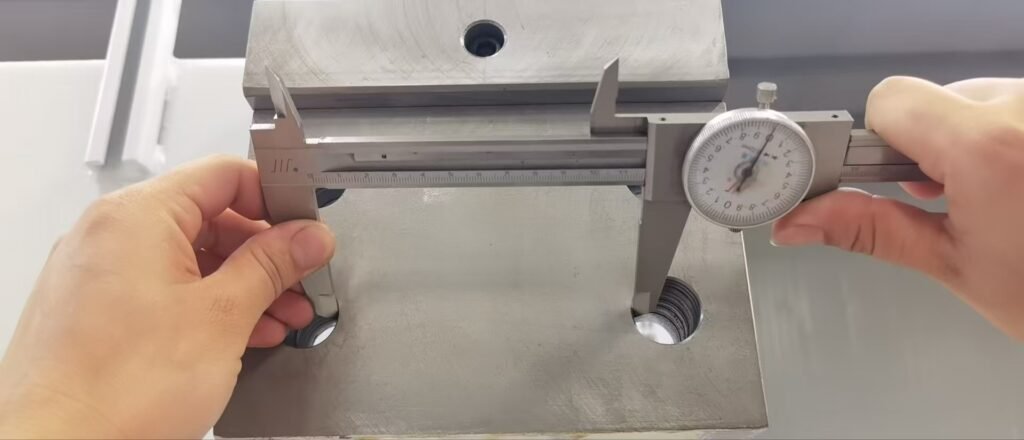
Manufacturing experts rely on several criteria to perform a thorough quality check of the quality of a CNC press brake machine. The most important factors include accuracy, precision, material strength, and regular inspection. Selecting the right tonnage and bending length boosts product quality and efficiency. Modern machines feature automatic crowning and real-time tonnage monitoring, which improve flexibility and speed.
| Criteria | Description |
|---|---|
| Precision | Precision impacts the accuracy of the bending process. |
| Material Strength | High-quality tools use strong materials that resist impact forces. |
| Accuracy of Bending Tool | Proper form and deformation prevention depend on tool accuracy. |
A step-by-step inspection helps evaluate the machine condition and manufacturer support for both new and used equipment, ensuring the overall quality of a CNC press brake machine is maintained.
Key Takeaways
- Accuracy is the most critical factor in CNC press brake machines. Always check specifications and test performance to ensure consistent bends.
- Regular inspections are essential. Conduct daily visual checks and weekly deeper inspections to prevent breakdowns and maintain production quality.
- Evaluate the machine’s frame and materials. A strong, fully welded steel frame enhances durability and maintains accuracy over time.
- Hydraulic system reliability is vital. Regular maintenance and cleanliness of hydraulic fluid prevent issues that affect bending precision.
- Safety features are non-negotiable. Ensure machines have optical guards, emergency stops, and lockout systems to protect operators during use.
Assessing the Quality of a CNC Press Brake Machine
Build Quality and Frame Inspection
A strong frame forms the backbone of any CNC press brake machine. The frame construction and material grade directly affect the durability and long-term performance. High-quality machines use fully welded steel frames. These frames resist deformation and maintain accuracy over many years.
A fully welded steel-frame press brake maintained 90% accuracy after 12 years of continuous use, while a low-end model required major repairs by the 8th year under identical conditions.
High-quality materials and robust design contribute to better fatigue resistance and overall performance, which in turn affects the machine’s longevity and maintenance needs. In metal fabrication, the choice of frame material can mean the difference between consistent product quality and frequent downtime. Tooling quality also plays a role. Tooling made from standard steel typically withstands 2,000 to 3,000 bending operations. High-strength alloy tooling endures 5,000 to 10,000 operations.
When inspecting a used machine, check for cracks, warping, or signs of excessive wear. Warping often appears as uneven surfaces or misaligned components. Industry experts recommend several diagnostic tests to detect frame issues:
| Symptom | Root Cause | Diagnostic Test | Action |
|---|---|---|---|
| “Canoe Effect” | Insufficient deflection compensation | Three-point bending test | Increase mechanical wedge compensation |
| Reverse Curve | Overcompensation | Three-point bending test | Reduce compensation value |
| Tapered Flange | Backgauge parallelism loss | Diagonal bending test | Calibrate parallelism |
| Inconsistent Angle Over Time | Hydraulic oil thermal drift | Time-based comparison | Execute daily warm-up routine |
| Random Angle Fluctuation | Loose linear scale | Idle run monitoring | Tighten linear scale mounts |
| Accurate L-shape, inaccurate U-shape | Tool interference | Interference check | Replace with high-gooseneck tooling |
| “Banana Effect” | Residual stress release | Flip test | Use stretcher-leveled sheet |
Proper machine setup ensures the frame remains stable during heavy bending operations. Always verify the frame’s integrity before starting a new setup.
Machine Weight and Dimensions
The weight and dimensions of a CNC press brake machine influence its stability and suitability for different metal fabrication environments. Heavier machines usually offer better vibration resistance and more consistent bending results. The right dimensions ensure the machine fits the workspace and meets production needs.
| Dimension | Description |
|---|---|
| Max Bending Width | Refers to the maximum width of the metal sheet that the press brake can process. |
| Table Length | Determines the maximum length of the metal sheet that the press brake can handle. |
| Stroke Length | Refers to the maximum distance the upper die moves, affecting the depth of bending. |
| Max Sheet Thickness | Indicates the maximum thickness of the sheet that the press brake can handle. |
Proper machine setup includes checking these specifications against the requirements of each metal fabrication project. A mismatch can lead to poor product quality or even machine damage. Always confirm the machine’s weight and dimensions during the initial setup.
Visual Inspection for Wear and Damage
A thorough visual inspection helps identify early signs of wear or damage. This step is essential for both new and used machines. Operators should look for cracks, scratches, or loose metal pieces. Rust or unusual marks on the machine can signal deeper problems. Inspect all moving parts, gears, and joints for signs of wear.
| Inspection Step | What to Look For | Action to Take |
|---|---|---|
| Moving Parts | Cracks, rust, loose pieces | Repair or replace |
| Gears and Joints | Unusual noise, rough movement | Lubricate or fix |
| Hydraulic System | Leaks, low fluid | Refill or repair |
Rust spots or discoloration on tool surfaces indicate corrosion, which can compromise the quality of a cnc press brake machine. Even minor rust pitting can create stress risers that lead to cracking. Regular inspection and proper machine setup help prevent these issues and extend the life of the machine.
- Check for cracks, scratches, or loose metal pieces.
- Look for rust or unusual marks on the machine.
- Inspect moving parts, gears, and joints for any signs of wear.
Proper machine setup and regular inspection ensure the quality of a cnc press brake machine. These steps support consistent bending results and help maintain high product quality in metal fabrication environments.
Press Brake Bending Accuracy and Precision

Ram and Back Gauge Precision
Press brake bending accuracy depends on the precision of both the ram and the back gauge. These components guide the metal sheet and control the final shape. High-quality machines maintain tight tolerances for both movement and positioning. The following table shows typical precision tolerance values for top-tier CNC press brake machines:
| Component | Precision Tolerance |
|---|---|
| Ram Movement | 0.0004 inches |
| Back Gauge | 0.001 inches |
Precision control starts with a careful inspection of these tolerances. Operators test the ram and back gauge by performing a series of steps:
- Test bending: They perform a standard 90° bend and measure the actual angles with a protractor. This step helps identify any deviation from the expected result.
- Precision adjustment: They adjust the ram parallelism, bend angle, bed deflection, and back gauge settings based on the test results. This process ensures the machine meets the required accuracy.
- Verification test: They repeat the test bend to confirm that the angle tolerance falls within the specified limits.
These steps help detect bending accuracy problems early. Consistent results show that the machine maintains accuracy retention over time. If operators find inconsistent angles, they must recalibrate the system to restore precision.
Stroke Length and Calibration
Stroke length affects the depth of each bend and the range of materials the machine can handle. Accurate calibration of stroke length ensures that every bend matches the design specifications. Operators use machine calibration routines to set the correct stroke length and verify the results.
Calibration involves several steps:
- Set the stroke length according to the material thickness and desired bend depth.
- Use a test plate to perform a trial bend.
- Measure the resulting angles with a digital protractor.
- Adjust the stroke length if the angles do not match the required tolerance.
- Repeat the process until the angles fall within the acceptable range.
Precision control during calibration prevents bending angle errors and reduces the risk of inconsistent angles. Regular calibration checks help maintain the quality of a cnc press brake machine and support long-term accuracy.
Testing Bend Angles and Parallelism
Testing bend angles and parallelism is essential for achieving high press brake bending accuracy. Operators use several tools and techniques to measure and adjust angles:
- Understand the role of the synchronization rod. This rod ensures that both cylinders move together, which keeps the angles parallel during bending.
- Measure the initial angles by placing a test plate under each cylinder and performing bends.
- Adjust the synchronization rod by moving the connecting sleeve and rotating the rod. This step changes the bending depth and improves parallelism.
- Test and verify the angles using scrap material. Operators check if the angles meet the required tolerance.
- Complete a final inspection and maintenance check. They confirm that all parts are tight and the synchronization rod works correctly.
The following table shows acceptable tolerance levels for bend angle deviation in precision metal forming:
| Material Type | Bend Length Condition | Angle Tolerance |
|---|---|---|
| Sheet Metal | Up to 24” | +/- 1 degree |
| Sheet Metal | Longer than 24” | +/- 2 degrees |
| Polycarbonate | Up to 24” | +/- 5 degrees |
| Polycarbonate | Longer than 24” | +/- 7 degrees |
Operators must check angles at multiple points along the bend to detect any bending accuracy problems. If they find inconsistent angles, they should adjust the synchronization rod and repeat the test. This process ensures that the machine delivers reliable press brake bending accuracy and meets the required tolerance for every project.
Tip: Regular inspection and machine calibration help prevent bending angle errors and support consistent precision control. Operators should keep a log of all calibration and adjustment activities to track accuracy over time.
CNC Control System and Features

Software and Programming Capabilities
CNC press brake machines rely on advanced software to achieve high accuracy and precision in bending operations. The software controls the number of axes, which allows operators to perform complex bending tasks and make fine adjustments. Automation features help with tool selection and backgauge positioning, improving both accuracy and precision. Operators use programming capabilities to set up calibration routines, which ensure that each bend meets strict accuracy requirements. The system can automatically adjust bending parameters for different materials, supporting consistent quality.
| Feature | Contribution to Performance and Ease of Use |
|---|---|
| Level of Automation Required | Determines the extent of automation, crucial for high-volume or complex projects. |
| Number of Axes | More axes allow for complex bending tasks and precision adjustments. |
| User Interface and Ease of Use | Intuitive design and features enhance operator experience and reduce errors. |
| Material Compatibility | Ensures the system can handle various materials with automatic adjustments for bending parameters. |
| Integration with Existing Systems | Compatibility with other machinery and software enhances workflow efficiency. |
| Emerging Trends | AI and cloud connectivity improve operational efficiency and flexibility. |
User Interface and Integration
A user-friendly interface helps operators maintain accuracy and precision during bending and calibration. The control system should support industry-standard communication protocols, which allow seamless integration with other machines and software. Operators benefit from intuitive controls that reduce errors and improve calibration efficiency. The interface must allow bidirectional data flow, preventing data silos and supporting unified workflows. After-sales support ensures that any issues with calibration or accuracy can be resolved quickly.
| Key Factor | Description |
|---|---|
| Quality of CNC Control System | Evaluate if the controller supports industry-standard communication protocols for better integration. |
| Operator Usability | Ensure the interface is intuitive for operators to avoid confusion and inefficiency. |
| Seamless Integration | Check for bidirectional data flow with existing software to prevent data silos and inefficiencies. |
| After-Sales Support | Assess the supplier’s service capabilities to minimize downtime costs. |
| Ecosystem Compatibility | Confirm that the controller integrates smoothly with existing software to maintain a unified workflow. |
Tip: Operators should test the interface before purchasing a machine to confirm that calibration and bending adjustments are easy to perform.
Backgauge System Evaluation
The backgauge system plays a key role in maintaining accuracy and precision during bending. Multiple axes allow for precise control of the backgauge position, which supports complex bending operations. Automated functions help with calibration and tool selection, ensuring that each bend meets the required accuracy. The relationship between the backgauge and shaft provides stable support, which improves precision. Operators should evaluate the system’s flexibility and ability to handle complex bending tasks.
| Criteria | Description |
|---|---|
| Control of multiple axes | CNC press brakes typically have multiple axes (X, Y, Z) to control various movements precisely. |
| Automated functions | Automation allows for features like automatic adjustment of backgauge position and tool selection. |
| Relationship between backgauge and shaft | The backgauge’s position is controlled by the shaft, ensuring accurate support during bending. |
| Precision of backgauge | The ability to precisely adjust the backgauge’s position is crucial for achieving accurate bends. |
| Handling complex operations | The system’s flexibility in managing complex bending operations is essential for high-quality results. |
Operators should perform regular calibration checks on the backgauge system to maintain accuracy and precision. Consistent calibration supports high-quality bending results and extends the life of the machine.
Hydraulic and Mechanical Components Quality
Why Do Some Press Brakes Have the Same Configuration But Vastly Different Prices?
Hydraulic System Reliability
Hydraulic systems play a vital role in the accuracy and precision of CNC press brake machines. Operators rely on these systems to deliver consistent bending force and maintain high-quality results. Common failures in hydraulic systems can affect bending accuracy and precision. Operators often notice issues such as inability to bend sheet metal precisely, noises from air in the system, dirty or low hydraulic fluid, leaks, and worn components. Regular maintenance and preventive maintenance help address these problems before they impact machine performance.
| Common Failures | Maintenance Strategies |
|---|---|
| Inability to bend sheet metal precisely | Regularly check and maintain hydraulic fluid cleanliness |
| Noises indicating air in the system | Immediate repair of leaks and worn components |
| Hydraulic fluid is dirty or low | Regular monitoring of hydraulic fluid levels and quality |
| Presence of leaks in the system | Use leak detection kits and pressure gauges for diagnostics |
| Worn out components | Replace seals and hoses as part of routine maintenance |
Operators should perform regular inspection and calibration to ensure hydraulic system reliability. Clean hydraulic fluid and leak-free connections support consistent bending accuracy and precision.
Motor and Drive Performance
Motor and drive systems directly influence bending accuracy, precision, and production efficiency. Modern press brake machines use advanced motors to achieve exceptional ram repeatability. This repeatability ensures every bend meets strict accuracy standards. Improved speed and energy efficiency also boost production efficiency. Hybrid press brakes combine electric servo motors with hydraulic systems, offering high precision and reduced hydraulic oil consumption. These machines require less maintenance and deliver reliable performance for demanding production environments.
- Improved precision leads to consistent and high-quality bends.
- Increased speed allows operators to meet tight production schedules.
- Energy-efficient designs minimize power consumption and support sustainability.
- Modern servo-electric models have fewer moving parts, lowering maintenance frequency.
- Hybrid press brakes provide high precision and efficiency with low maintenance needs.
Operators should schedule preventive maintenance to keep motors and drives in optimal condition. Regular maintenance extends machine life and supports consistent bending accuracy.
Maintenance and Serviceability
Regular maintenance and preventive maintenance maximize the service life of hydraulic and mechanical components. Operators should establish a maintenance schedule and follow manufacturer guidelines for lubrication and inspection. Key practices include cleaning, lubricating, inspecting, and replacing worn parts. These steps help maintain bending accuracy and precision throughout the machine’s life.
| Maintenance Practice | Description |
|---|---|
| Regular Cleaning | Remove debris and contaminants to prevent wear and tear. |
| Lubrication | Apply lubricants to reduce friction and wear. |
| Inspection | Check for wear and ensure components function correctly. |
| Replacement of Worn Parts | Replace parts showing wear to prevent further damage. |
| Maintenance Schedule | Schedule daily, weekly, monthly, quarterly, and annual tasks. |
| Hydraulic Oil Checks | Use recommended oil types and check for leaks and pressure. |
| Grease Level Checks | Maintain grease levels for proper lubrication. |
| Hydraulic Fluid Inspection | Ensure fluid is clean and inspect hoses for leaks. |
| Recommended Lubricants | Use lubricants as per manufacturer’s guidelines. |
Operators should clean hydraulic systems regularly, lubricate main rails and gears, and inspect hoses for leaks. Creating a maintenance schedule and replacing worn parts promptly help maintain bending accuracy and precision. These practices ensure machine quality and reliable performance in production environments.
Tip: Preventive maintenance and regular inspection help operators avoid costly downtime and maintain high bending accuracy and precision.
Safety Features and Certifications
Essential Safety Mechanisms
Operators rely on safety mechanisms to protect themselves during bending operations. International standards such as ISO 12100, OSHA 1910.217, and EN 693 set requirements for CNC press brake machines. These standards specify technical safety requirements and address hazardous situations that may occur during bending. The table below shows important safety standards and features:
| Standard | Description |
|---|---|
| ISO 12100 | General safety principles for machine design |
| OSHA 1910.217 | Press brake safety regulations |
| EN 693 | Safety requirements for metal forming machines |
| Safety Feature | Description |
|---|---|
| Optical safety guards | Stop the machine if an operator enters the danger zone |
| Emergency stop buttons | Easily accessible for quick shutdown |
| Lockout/tagout systems | Ensure safety during maintenance |
| Pressure relief valves | Prevent hydraulic system overloads |
Operators use optical safety guards to prevent accidents during bending. Emergency stop buttons allow quick shutdown if a problem occurs. Lockout/tagout systems protect workers during maintenance. Pressure relief valves help maintain accuracy and precision by preventing hydraulic overloads. These features support high quality and safe bending operations.
Compliance and Operator Protection
Compliance with safety standards ensures that the machine meets legal and technical requirements. Operators benefit from regular inspection of safety mechanisms. They check that guards, emergency stops, and lockout systems function correctly. Proper safety features help maintain accuracy and precision during bending. Machines with certified safety systems reduce the risk of injury and support consistent quality.
Operators must follow safety guidelines during every bending operation. They wear protective equipment and keep hands clear of moving parts. Regular inspection of safety features helps identify problems early. Machines with strong safety certifications provide reliable protection and support high accuracy and precision in bending tasks.
Tip: Operators should review safety certifications before purchasing a machine. Certified machines offer better protection and help maintain accuracy and precision in every bending operation.
Manufacturer Reputation and Support
Brand Reliability
A reliable brand helps ensure consistent bending accuracy and precision. Leading manufacturers invest in research and development to improve machine performance. They often have a long history of producing machines that deliver high accuracy and precision in every bending operation. Many users trust brands with strong reputations because these companies respond quickly to service requests and provide clear technical support. Reliable brands also offer detailed manuals and training, which help operators maintain accuracy and precision during bending and inspection routines.
Warranty and After-Sales Service
Warranty coverage reflects a manufacturer’s confidence in the quality of its machine. Longer warranties often mean better support for bending accuracy and precision over time. The table below shows how leading brands structure their warranties:
| Manufacturer | Warranty Duration | Coverage Details |
|---|---|---|
| Nargesa | 3 Years | Covers defects in internal components, essential parts, hydraulics, and electronic systems. Excludes wear and misuse. |
| Velxun | 1 Year | Standard warranty with options for extended coverage. Fee-based global repair services available post-warranty. |
| Standard Industrial | 5 Years Parts + 5 Years Limited Onsite Labor + 2 Years CNC/PLC | Includes onsite labor for unresolved issues, unlimited lifetime telephone support, and an optional 7 Year Extended Warranty. |
Manufacturers that provide strong after-sales service help operators resolve bending accuracy and precision issues quickly. Fast response times and expert support reduce downtime and keep the machine running at peak performance. Many brands also offer remote troubleshooting, which helps maintain accuracy and precision during urgent repairs.
Spare Parts Availability
Spare parts availability plays a key role in maintaining bending accuracy and precision. Operators need quick access to critical components to avoid long delays. Leading brands keep local stock of important parts, such as drives and control boards. This practice shows a strong commitment to service and helps maintain machine accuracy and precision during bending operations.
- Local stock of critical components, such as drives and control boards, indicates a strong service commitment.
- Long lead times for replacement parts, especially those requiring cross-border shipment, are considered unacceptable.
Quick access to spare parts supports regular inspection and helps operators maintain high bending accuracy and precision. Reliable brands understand that every minute of downtime can affect the quality of the finished product.
Tip: Operators should always check the manufacturer’s reputation, warranty terms, and spare parts policy before purchasing a CNC press brake machine. These factors help ensure long-term bending accuracy, precision, and machine quality.
User Reviews and Real-World Performance
Gathering User Feedback
Operators and managers often share their experiences with CNC press brake machines through online forums, trade shows, and direct surveys. User feedback highlights both strengths and weaknesses in daily bending operations. Many users praise improved accuracy, reduced setup time, and the ability to re-run past jobs with ease. They also appreciate intuitive touchscreen interfaces, real-time diagnostics, automatic tool recognition, and anti-crash functions. However, some users report delays in obtaining replacement parts, steep learning curves, and inconsistent build quality in lower-priced units.
| Theme | Details |
|---|---|
| Common Praises | Improved accuracy, reduced setup time, ease of re-running past jobs, intuitive touchscreen interfaces, real-time diagnostics, automatic tool recognition, anti-crash functions. |
| Recurring Complaints | Delays in obtaining replacement parts, steep learning curves, inconsistent build quality in lower-priced units. |
Feedback from experienced operators helps buyers understand how a machine performs in real-world bending scenarios. Regular inspection and open communication with other users support better decision-making.
Observing Machine Operation
During a demonstration, observers should focus on key performance metrics that reveal the true capabilities of a CNC press brake machine. Real-time manufacturing dashboards display current machine status and help staff monitor bending accuracy. Comprehensive alarm and downtime tracking systems automatically collect data about interruptions, making it easier to identify recurring issues. Part count and ideal time import features track actual versus predicted run times, offering insights into production trends and maintenance needs. Historical trend analysis allows users to spot subtle shifts in performance, which may signal potential breakdowns or loss of precision.
| Performance Metric | Description |
|---|---|
| Real-Time Manufacturing Dashboards | Provides current machine status accessible to all levels of staff, enhancing monitoring capabilities. |
| Comprehensive Alarm and Downtime Tracking | Automatically collects alarms and downtime reasons, helping identify recurring issues and maintenance needs. |
| Part Count and Ideal Time Import | Tracks actual vs. predicted run times, offering insights into production trends and equipment maintenance. |
| Historical Trend Analysis | Allows analysis of performance over time, revealing subtle shifts that could indicate potential breakdowns. |
Operators should observe the machine during multiple bending cycles and review dashboard data to confirm consistent accuracy and quality.
Common Issues and Long-Term Quality
Long-term use of CNC press brake machines sometimes reveals recurring problems that affect bending quality. Inconsistent bends lead to inaccuracies in dimensions and reduce the overall quality of finished products. Misaligned back gauges result in inconsistent flange lengths, which compromise assembly accuracy. Excessive noise or vibrations can indicate mechanical issues that may cause long-term damage and affect structural integrity.
- Inconsistent bends: Leads to inaccuracies in dimensions and affects the overall quality of the bending process.
- Misaligned back gauge: Results in inconsistent flange lengths, compromising assembly accuracy.
- Excessive noise or vibrations: Can indicate mechanical issues that may lead to long-term damage and affect structural integrity.
Operators often notice these symptoms:
- Bends are not uniform across the workpiece.
- Uneven material thickness, incorrect tooling, or improper calibration may cause these problems.
- Solutions include inspecting material consistency, checking tooling for wear, and adjusting CNC settings.
Regular inspection and prompt maintenance help prevent these issues and maintain high bending accuracy and precision. Monitoring real-world performance and learning from user feedback support long-term machine quality.
Assessing the quality of a CNC press brake machine involves several important steps. Operators inspect the frame, check bending accuracy, and evaluate hydraulic systems. They review user feedback and observe real-world production. Comparing multiple machines with a checklist helps buyers make informed decisions. The table below highlights critical checklist items for quality evaluation:
| Checklist Item | Description |
|---|---|
| Maintenance Logs | Review records for repairs and calibrations. |
| Visual Inspect Walkaround | Assess cleanliness and environment. |
| Lubrication System | Check lubrication points for proper maintenance. |
| Control & Electrical Cabinet | Verify controls and electrical components. |
| Backgage | Ensure accuracy and repeatability. |
| Ram | Inspect for smooth motion and accuracy. |
| Bed | Look for dents and gouges. |
| Hydraulics | Check for leaks and condition. |
| Options and Accessories | Test additional features. |
| Weights and Dimensions | Measure for space and transport. |
| Power/Air Requirements | Record shop compatibility. |
| Photos | Take reference images. |
Regular maintenance and inspection keep the machine in top condition and support consistent quality in production.
FAQ
What is the most important factor when choosing a CNC press brake machine?
Accuracy stands out as the most important factor. High accuracy ensures consistent bends and reduces waste. Operators should check the machine’s specifications and test its performance before making a decision.
How often should operators inspect a CNC press brake machine?
Operators should inspect the machine daily for visible damage and weekly for deeper issues. Regular checks help prevent breakdowns and maintain high-quality production.
Can a used CNC press brake machine deliver reliable performance?
A used machine can deliver reliable performance if it passes a thorough inspection. Operators should check for wear, test accuracy, and review maintenance records before purchase.
What safety features should every CNC press brake machine have?
Every machine should have optical safety guards, emergency stop buttons, and lockout/tagout systems. These features protect operators and help maintain safe working conditions.
How does regular maintenance affect machine quality?
Regular maintenance keeps hydraulic and mechanical systems in good condition. Operators who follow a maintenance schedule extend the machine’s life and ensure consistent bending accuracy.