What Is Press Brake Ram Speed and Why Does It Matter
Table of Content
This post is also available in:
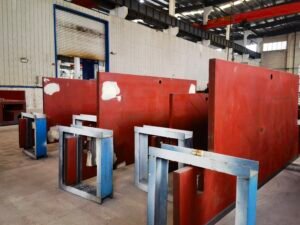
Press brake ram speed means how fast the ram moves during press brake forming. You control this speed to shape metal with a press brake, which is a key metal fabrication tool. Fast and accurate ram speed helps you keep parts consistent and boosts output. You can see real benefits in press brake forming, such as:
- CNC press brakes cut changeover time by up to 80% for faster production.
- Accuracy can reach plus or minus 0.0004 inches.
- Unplanned downtime drops by up to 30% with smart machines.
- Overall equipment effectiveness improves by 20%.
You need to set the right ram speed to get top part quality and safe press brake forming.
Key Takeaways
- It is important to know press brake ram speed. This helps you make bends that are correct. You must set the right speed. If not, you might hurt the metal or the machine.
- Change the ram speed for each metal type and thickness. Softer metals can bend faster. Harder metals need slower speeds to stay safe.
- There are three bending steps: approach, bending, and return. Use these steps to make work faster. Each step has its own speed. This helps you be more exact and saves time.
- Use safety systems like light curtains to keep workers safe. The right speed and safety tools lower the chance of accidents.
- Keep the machine in good shape and test the settings often. Always check the machine and add oil when needed. This helps the ram speed stay the same and the machine work well.
Press Brake Ram Speed Basics
What Is Ram Speed?
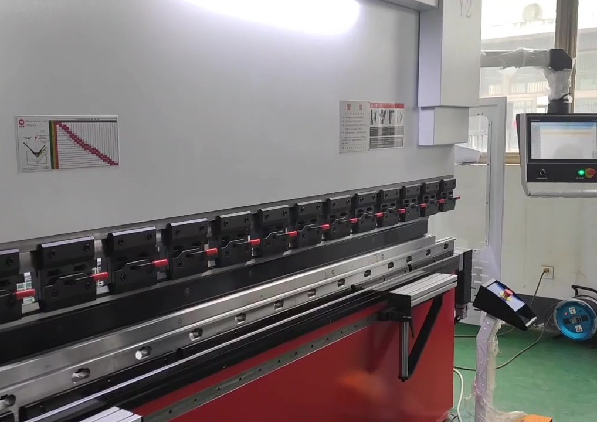
You need to understand press brake ram speed to control the bending process. Ram speed means how fast the ram moves up or down during press brake forming. You measure this speed in millimeters per second (mm/sec). This number tells you how quickly the ram travels as it shapes the metal. When you set the right ram speed, you get better results in every step of the bending process.
You use ram speed to manage how the press brake forms each part. If you set the speed too high, you might lose control and damage the workpiece. If you set it too low, you slow down the bending process and reduce productivity. You want to find the best balance for your press brake forming jobs.
Phases: Approach, Bending, Return
The bending process has three main phases. Each phase uses a different ram speed and serves a special purpose in press brake forming.
- Approach Phase: The ram moves down very quickly toward the metal. This phase saves time because the ram does not touch the workpiece yet.
- Bending Phase: The ram slows down and moves at a controlled speed. You need this slow, steady motion to make sure the bending process shapes the metal with high accuracy.
- Return Phase: The ram moves up fast to get ready for the next cycle. This phase helps you finish the bending process quickly and start again.
You must pay attention to each phase of the bending process. The right ram speed in each step helps you keep parts consistent and safe. When you understand how these phases work, you can improve your press brake forming results.
Ram Speed Impact on Press Brake Forming
Efficiency and Productivity
You want your press brake forming to work well. Bending speed helps you finish each part faster. The right speed makes your work smooth and efficient. But you should think about more than just ram speed. Safety, bending cycle time, and machine setup also matter.
- Bending cycle time means every step before and after the ram moves. This changes how many parts you make in an hour.
- If you only look at ram speed, you might miss other ways to work better.
- Safety steps and setup also change how fast you finish jobs.
You get big benefits when you set bending speed for lots of work. Here is a table that shows how better bending speed helps your business:
| Benefit | Description |
|---|---|
| Higher Production Efficiency | Better bending speed makes you work faster and waste less time. |
| Cost Effectiveness | Good bending speed means less wasted material and lower labor costs. |
| Limited Material Waste | Accurate bending speed uses less material and helps the environment. |
Automation helps keep bending speed steady. This cuts down on mistakes and makes your work more even. Faster bending speed means you spend less time on each part and save money.
Precision and Part Quality
You need to control bending speed to make good parts. If you go too fast, you can lose control and make mistakes. Slow and steady speed gives you better accuracy and part quality. Different press brakes let you control bending speed in different ways. Mechanical, hydraulic, and CNC press brakes all have their own options.
- Changing bending speed changes how exact your bent parts are.
- Faster speed can make parts less accurate, but slower speed gives you more control.
- New press brakes use smart systems to set bending speed for each job.
The right bending speed gives you better results and saves money. You make parts that fit your needs and avoid mistakes. You also waste less material, which is good for your budget and the environment.
Tip: Always check your bending speed before you start. This keeps your part quality high and helps you avoid mistakes.
Safety Factors
You must always think about safety with a press brake. Bending speed changes how safe your workspace is. Press brakes can hurt people if you do not use safety systems. Light curtains stop the ram if something gets in the way. You need to put these safety devices where they work best with your machine’s stopping speed.
- Press brakes often cause injuries at work.
- Safety systems like light curtains protect you by stopping the ram.
- Safety devices must match the stopping speed for best results.
You keep your team safe when you set the right speed and use safety systems. You also avoid accidents and downtime, which helps your work stay on track.
Note: Always follow safety rules and check your safety devices before you start. This keeps everyone safe and your work running well.
Factors Affecting Optimal Ram Speed
Material and Thickness
You need to think about the metal type and how thick it is before you set press brake parameters. Softer metals like aluminum bend faster and need less force. Harder metals, like stainless steel, need slower bending and more power. Thicker sheets also need you to slow down the ram speed. If you go too fast, you can break the part or damage the press brake. Always check the bending angle you want. Thicker materials need more power and a slower speed to bend right without cracks or warping. You should change press brake settings for each job to match the metal and thickness.
Tip: Try bending a sample piece first. This helps you pick the best settings and avoid mistakes.
Machine Capabilities
Your press brake machine has limits you need to know. You must check the maximum force and how the controls work. These things change how much you can bend and how fast the ram can go. New machines let you set press brake parameters more exactly. Old machines may not give you as much control. Look at the table below to see how different speeds work in a press brake cycle:
| Speed Type | Description |
|---|---|
| No load speed | Moves down quickly from the top to the speed change point. |
| Working speed | Goes down slowly from the speed change point to the bottom. |
| Return speed | Moves up fast from the bottom back to the top. |
New technology helps you control bending better. High-resolution encoders let you set the bending angle more exactly. Servo-electric motors give steady power and let you change ram speed for each part. Automated tooling changes press brake settings fast and keeps your bending angle right every time.
| Technology | Impact on Ram Speed Control |
|---|---|
| High-Resolution Encoders | Give exact control over bending angle and position, making parts more accurate and reducing mistakes. |
| Servo-Electric Motors | Let you change power and speed exactly, so bends stay the same and you waste less material. |
| Automated Tooling | Cuts down on waiting time and helps you use the machine more, making work faster and easier. |
Application Needs
You need to match press brake settings to your job. If you want a sharp bend or a tight angle, use slower bending and more power. For simple bends, you can use faster ram speed. Always check the bending angle and the shape you want. Some jobs need more control to keep the angle right. If you switch jobs, change your press brake settings each time. This keeps your bends and angles right for every part.
Note: Write down your best press brake settings for each job. This saves time and helps you get good results again in future jobs.
Adjusting Ram Speed for Better Results
Operator Guidelines
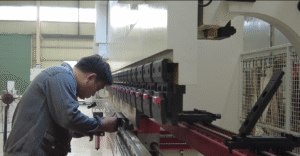
You can make your press brake work better by following easy steps. First, check your machine settings before every job. Always match ram speed to the metal type and thickness you want to bend. Use bend speed optimization for each project to get the best results. This means you change the speed for every material and shape. Try a test bend first to see if your settings work or need fixing.
Keep your press brake in good condition. Maintenance is important for your machine to work well. The table below shows how different maintenance steps help keep ram speed steady:
| Maintenance Practice | Impact on Ram Speed Consistency |
|---|---|
| Proper Lubrication | Stops leaks inside and helps the ram move smoothly. |
| Regular Inspections | Finds problems before they hurt how the machine works. |
| Cleaning Old Lubricant Before New Grease | Stops dirt from hurting ram speed reliability. |
Bend speed optimization also helps you make fewer mistakes and better parts. The right speed gives you faster bending and better results for every job.
Tip: Write down your best settings for each job. This helps you get good results again and makes picking the right press brake easier for new projects.
Common Mistakes
Many operators make the same mistakes with press brake ram speed. One mistake is setting the speed too high. This can make the metal crack or bend wrong. Another mistake is not using bend speed optimization. If you do not change the speed for each job, your results may be bad.
Some people forget to check the machine before they start. Skipping maintenance can cause uneven bends and slow work. Not cleaning old lubricant before adding new grease can also hurt ram speed. Always watch these details to keep your press brake safe and working well.
Note: Take your time to set up each job. Careful planning helps you avoid mistakes and keeps your parts the same every time.
When you know how to control press brake ram speed, your jobs get better. This skill helps you make bends that are more accurate. It also helps you work faster and keeps your team safe. The table below shows important things for operators and people who make decisions:
| Key Takeaway | Explanation |
|---|---|
| Accurate Bends | Knowing ram speed is important for making bends right. Even small mistakes can cause big problems in the finished part. |
| Improved Efficiency | Learning about ram speed helps you control the process. This makes metal work faster and better. |
| Enhanced Safety | Knowing safety systems and how the machine works keeps people safe when using a press brake. |
| Smarter Equipment Selection | Knowing about different press brakes helps you pick the best one for your needs now and later. |
You can make your press brake work better by following these tips: 1. Change the speed for each material. 2. Think about how thick the metal is. 3. Remember the bend radius. 4. Use the right tools. 5. Test your settings and make changes if needed.
If you use these steps, you waste less material and save energy. You also make your work safer and faster. Keep learning and use these tips every time you use a press brake.
FAQ
What happens if you set the ram speed too high?
You risk damaging the metal or the press brake. Fast speeds can cause cracks, uneven bends, or even machine failure. Always check your settings before you start.
Can you use the same ram speed for all materials?
No. Different metals and thicknesses need different speeds. Softer metals bend faster. Harder or thicker metals need slower speeds for safe and accurate results.
How do you know if your ram speed is correct?
Try a test bend first. Check the part for cracks, warping, or wrong angles. If you see problems, adjust the speed and test again.
Does ram speed affect safety?
Yes. High speeds can make accidents more likely. Use safety devices like light curtains. Always match your safety systems to your chosen ram speed.