Must-Know Press Brake Machine Safety Tips for Beginners
Table of Content
This post is also available in:
Safe operation starts with clear steps. Beginners must stay alert near any press brake machine. Every action should follow strict safety guidelines.
Safety protects hands, eyes, and lives. Skipping a step can cause injury. Pay attention, wear proper gear, and check the equipment before use.
Key Takeaways
- Always wear personal protective equipment like safety glasses and steel-toed boots to reduce injury risks.
- Inspect the press brake machine before each use to ensure all safety guards and devices are functioning properly.
- Maintain a clean and organized workspace to prevent accidents and improve safety during operation.
- Follow all safety protocols and never skip steps, as each procedure is crucial for preventing injuries.
- Use proper body positioning and support systems when handling large materials to enhance safety and efficiency.
Why Safety Matters
Risks and Hazards
Operating a press brake machine without proper safety measures can lead to serious injuries. Workers face several risks every time they use this equipment. The most common types of injuries include:
- Crush injuries to fingers, hands, or arms when caught in the machine
- Pinch points where moving parts can trap body parts
- Cuts from sharp metal edges during operation
- Mechanical failures that may cause unexpected movements
- Ergonomic risks such as strains from poor posture or repetitive tasks
Note: In March 2023, a worker lost his life after a high tensile steel plate ejected from a hydraulic press brake. The incident showed how improper handling and lack of safety protocols can result in fatal accidents, especially with less ductile materials.
Press brakes are powerful machines that bend and cut thick metal. These capabilities create significant hazards. Safety organizations highlight the need for guards, laser protection, and light curtain devices. These barriers help prevent accidental injuries by keeping hands and other body parts away from danger zones.
Safety Protocols
Following strict safety protocols protects everyone in the workspace. Operators must never assume that advanced technology alone will keep them safe. Proper training and constant attention remain essential. Many new operators make mistakes by skipping instructions or misunderstanding measurements, which can lead to accidents.
| Safety Measure | Description |
|---|---|
| Presence Sensing Devices | Detects the presence of an operator’s hands to prevent accidental operation. |
| Two-Hand Control Devices | Requires both hands to be used for operation, ensuring safety from injury. |
| Pullback Devices | Automatically retracts hands from the danger zone during operation. |
| Restraint System | Prevents operators from reaching into the danger area while the machine is active. |
Operators should always:
- Wear gloves, goggles, and hearing protection
- Secure machine guards before use
- Keep hands and objects away from the bending area
Safety devices reduce risk, but only careful habits and proper training can prevent accidents. Every operator must follow all safety steps, every time.
Personal Protective Equipment
Required PPE
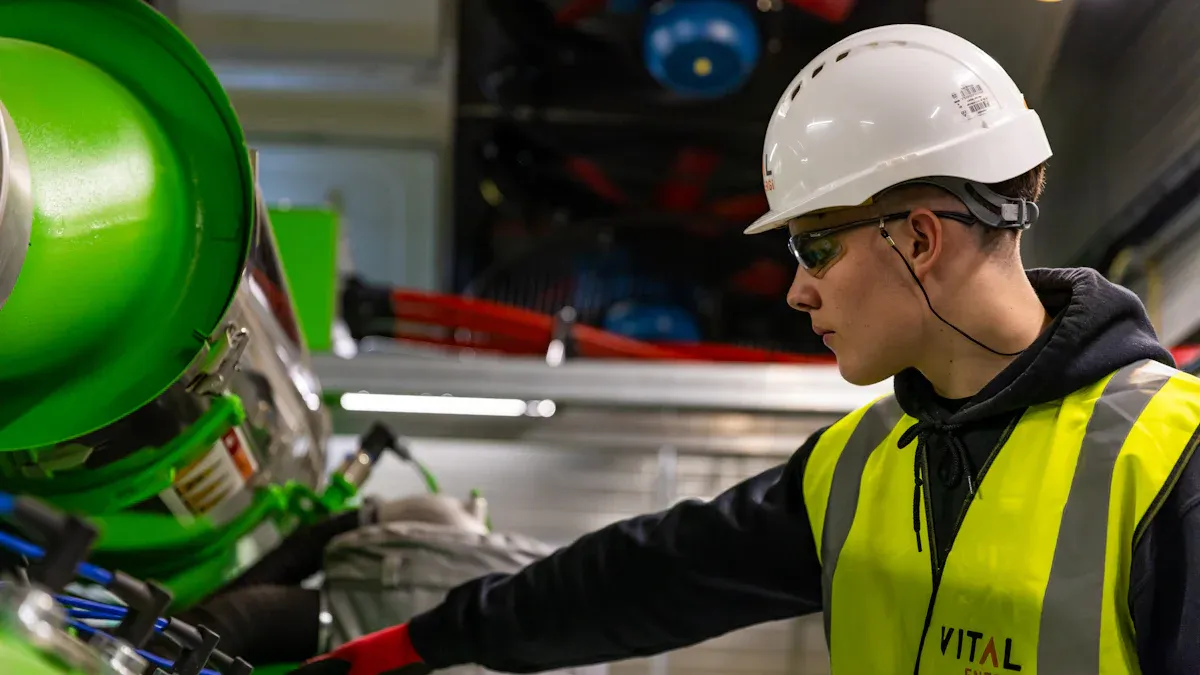
Operators must wear the right personal protective equipment before using a press brake machine. Safety gear reduces the risk of injury from sharp metal, flying debris, and heavy objects. The most effective PPE includes:
- Safety glasses or goggles shield eyes from metal shavings and flying debris.
- Protective gloves guard hands against sharp edges and burns from hot metal.
- Steel-toed boots protect feet from falling objects and heavy materials.
- A hard hat offers extra protection in busy workspaces.
Safety glasses remain essential for every operator. They block small particles that can cause eye injuries. Gloves should fit snugly and provide enough grip for handling metal sheets. Steel-toed boots prevent serious foot injuries if heavy parts drop unexpectedly. A hard hat adds another layer of safety, especially in areas with overhead hazards.
Tip: Operators should inspect their PPE for damage before each shift. Damaged gear cannot provide full protection.
Clothing and Accessories
Proper clothing helps prevent accidents near a press brake machine. Loose clothing can get caught in moving parts and cause serious injuries. Operators should avoid wearing wristwatches and rings because these items may snag on equipment or metal sheets.
Recommended clothing includes:
- Fitted shirts and pants that do not hang loosely
- No jewelry, such as rings or watches
- No loose sleeves or scarves
Operators should choose sturdy workwear made from durable materials. They should tuck in shirts and secure long hair to keep it away from the machine. Removing hazardous accessories lowers the risk of entanglement and keeps the workspace safe.
Note: Simple changes in clothing choices can make a big difference in safety. Operators who follow these guidelines help prevent accidents and keep themselves protected.
Press Brake Machine Inspection
Safety Guards
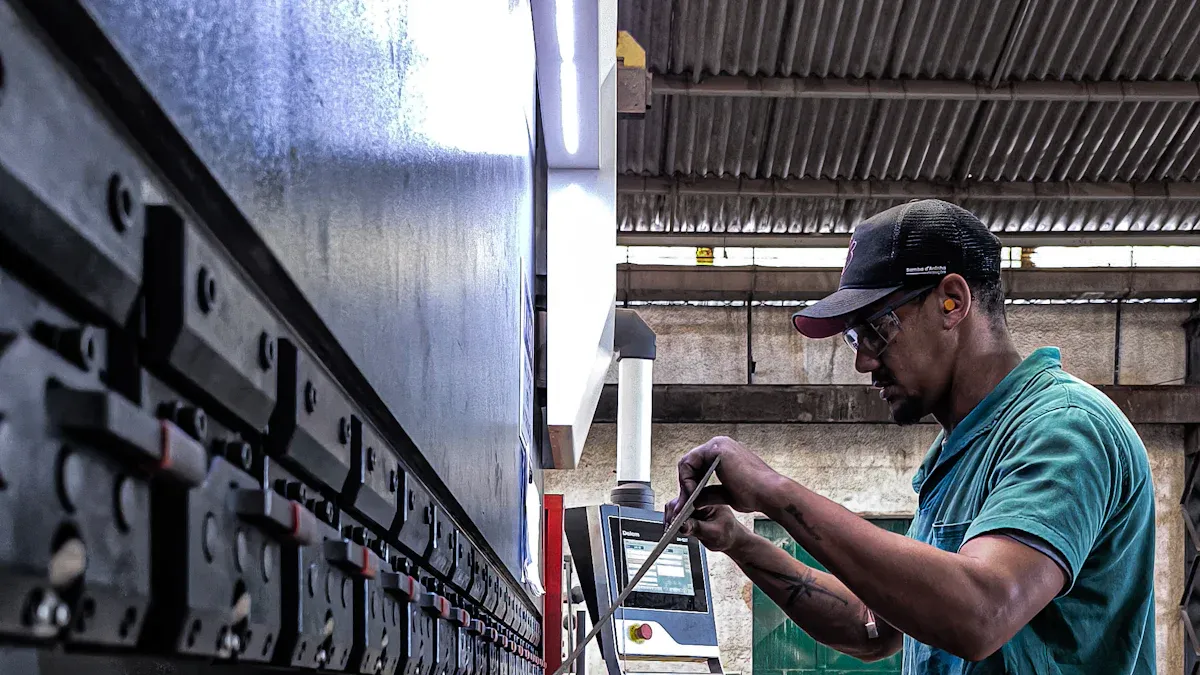
Safety guards play a vital role in protecting operators from moving parts and hazardous areas. Before starting work, every operator should inspect the press brake machine for proper guard placement and function. They should check that all safety guards are present and working as intended. Guards must cover transmission parts and the periphery of the mold area to prevent accidental contact.
Operators should follow this checklist before operation:
- Confirm that safety guards are securely in place.
- Make sure all hazardous areas are covered, including moving parts and mold edges.
- Inspect mesh or gap dimensions to ensure they meet safety standards and prevent fingers or arms from entering.
- Test door and cover interlocks to verify that the machine powers off and shuts down when opened.
Operators who skip these steps risk exposing themselves to dangerous pinch points and moving components. Proper safeguarding reduces the chance of injury and keeps the workspace safe.
Check for Damage
Regular inspection for damage or malfunction helps prevent accidents. Operators should look for missing or damaged guards, faulty interlocks, and sensors that do not respond correctly. They should pay attention to any inconsistent or unexpected machine behavior. Unusual noises or vibrations may signal a problem that needs attention. Any deviation from normal operating conditions should prompt an immediate stop and inspection.
Statistically, 83% of reported injuries occur in areas of the press brake machine that lack proper safety protection. This fact highlights the importance of thorough inspection and maintenance. Operators must never ignore signs of damage or malfunction.
A quick checklist for damage includes:
- Damaged or missing guards
- Malfunctioning interlocks or sensors
- Inconsistent or unexpected machine behavior
- Unusual noises or vibrations
- Any change from normal operation
Tip: Operators should report any issues to a supervisor and avoid using the machine until repairs are complete.
Work Area Setup
Clean and Clear Space
A clean and organized work area helps prevent accidents near a press brake machine. Operators should always keep the floor free from clutter and debris. They should remove scrap metal, tools, and unused materials from the workspace. Regular cleaning routines help maintain a safe environment and reduce the risk of slips or trips.
Operators can follow these best practices to maintain a clean and clear space:
- Inspect punches and dies for wear or damage to ensure accurate bends and prevent workpiece damage.
- Implement a daily maintenance routine that includes cleaning surfaces, inspecting tooling alignment, and checking safety devices.
- Clean the press brake after each use to remove debris, metal shavings, and lubricants. This step helps prevent corrosion.
- Check for oil leaks or stains on the hydraulic cylinder and clean them promptly to maintain proper operation.
- Maintain cleanliness around the machine to improve workplace safety and minimize hazards.
Tip: A tidy workspace not only protects workers but also extends the life of the press brake machine.
Remove Hazards
Operators must identify and remove hazards before starting any job. Hazards can appear in many forms, from unguarded machine parts to unsafe maintenance practices. Removing these dangers helps create a safer environment for everyone.
The table below highlights common hazards found around press brake machines and their details:
| Hazard Description | Details |
|---|---|
| Unguarded access to the point of operation | Operators may bypass safety guards and enter the bending area, leading to severe injuries. |
| Pinch points from the backgauge system | The backgauge creates pinch points that can trap hands or fingers, posing significant risks. |
| Risks during maintenance and cleaning | Common injuries occur during machine adjustments, cleaning blockages, and lubrication. |
Operators should never bypass safety guards or reach into the bending area. They must stay alert to pinch points, especially near the backgauge system. Safe maintenance practices, such as locking out the machine before cleaning or adjusting, help prevent injuries.
Note: Removing hazards before operation reduces the chance of accidents and keeps the work area safe for everyone.
Press Brake Machine Setup
Tool Adjustment
Operators must adjust tools carefully before starting any job on a press brake machine. Proper setup ensures safe and accurate bending. They should always follow manufacturer guidelines for setup and calibration. The back gauge and tooling need correct adjustment before any bending begins.
Best practices for tool adjustment include:
- Select punches and dies that match the job requirements. Make sure each tool is in good condition and securely mounted.
- Keep hands away from tooling and moving parts during adjustment. This reduces the risk of injury.
- Schedule regular maintenance and inspections. Clean and lubricate all components as recommended by the manufacturer.
- Provide thorough training for every operator. Supervisors should monitor new operators until they show safe and skilled operation.
Operators who follow these steps help prevent accidents and improve the quality of each bend.
Test Run
A test run checks the safety and readiness of the press brake machine before production. Operators should complete several steps to verify that the machine works correctly and safely.
- Notify all personnel in the area. Identify every energy source, including electrical, hydraulic, and pneumatic systems.
- Shut down the equipment using standard procedures. Disconnect all energy sources physically.
- Apply locks at each isolation point. Attach warning tags that read “Danger – Do Not Operate.”
- Try to start the machine to confirm that all energy is isolated.
- Remove metal chips, oil residue, and dust from critical areas. This prevents interference during operation.
- Inspect hydraulic lines for leaks. Check guides, lead screws, and bearings for hidden wear.
- Run the hydraulic system for 30–60 minutes. This ensures thermal stability before calibration.
- Confirm that the machine sits on a strong, level concrete foundation away from vibration sources.
A careful test run helps operators catch problems early and keeps the workspace safe for everyone.
Safe Operation
Hand and Body Position
Operators must pay close attention to their posture and body placement when working with a press brake machine. Proper positioning reduces the risk of injury and improves efficiency. They should follow these guidelines:
- Maintain a neutral posture to minimize muscle and joint strain.
- Keep the back straight and shoulders relaxed.
- Place feet flat on the floor for stability.
- Use adjustable workstations to set the height and angle of the control panel and work surface.
- Sit in ergonomic chairs with lumbar support to prevent back strain.
- Receive training on posture to lower the risk of musculoskeletal disorders.
Good posture helps operators stay alert and comfortable during long shifts. Simple adjustments in body position can prevent fatigue and injury.
Using Controls
Safe operation depends on correct use of the machine controls. Operators must avoid common errors that can lead to accidents or poor results. They should always:
- Wear personal protective equipment and keep the work area clear.
- Complete training on machine operation, safety procedures, and troubleshooting.
- Align the die and punch correctly to prevent uneven bending and material distortion.
- Inspect the press brake machine before each use, checking for cracks, wear, and leaks.
- Set up and level the machine properly to avoid hazards.
- Follow safe practices, such as keeping hands away from the workpiece and die during operation.
Operators must select the right tooling for each job. Using incorrect tools can compromise the quality of the bend. Overbending weakens the material and may cause failure. Centering the punch and dies prevents misalignment and operational issues.
| Common Operator Errors | Prevention Tips |
|---|---|
| Wrong tooling | Match tools to job requirements |
| Overbending material | Monitor bend angle and force |
| Misalignment | Center punch and dies carefully |
Operators who follow these steps reduce mistakes and keep themselves safe.
Supports and Helpers
Handling large or heavy workpieces requires extra support. Operators can use several types of helpers to make the job safer and easier:
- Sheet supports keep the workpiece on an even course during bending and prevent sagging.
- Heavy-duty followers support large workpieces weighing thousands of pounds.
- Fixed sheet supports provide a stable foundation for sheet metal.
- Adjustable sheet supports allow changes in height and position for different sheet sizes.
- Hydraulic sheet supports use hydraulic systems to adjust support height and position.
- Pneumatic sheet supports use air pressure for similar adjustments.
- Press brake followers hold up heavy plates during bending, improving accuracy and reducing manual handling.
Using supports and helpers lowers the risk of injury and improves bending precision. Operators should choose the right support system for each job.
Maintenance Checks
Routine Inspection
Routine inspection keeps a press brake machine safe and reliable. Operators should check the machine before each shift. They look for signs of wear, loose bolts, and leaks. Regular checks help prevent unexpected breakdowns and accidents.
Manufacturers and safety agencies recommend a schedule for maintenance:
- Monthly maintenance includes lubrication and inspection of critical systems.
- Annual inspections assess the condition of press brake tooling and critical machine components.
Operators should follow a checklist during each inspection. They examine safety guards, sensors, and emergency stops. They clean the machine and remove debris from moving parts. They check hydraulic lines for leaks and inspect electrical connections for damage.
| Inspection Task | Frequency | Purpose |
|---|---|---|
| Lubricate moving parts | Monthly | Reduce friction and wear |
| Inspect safety devices | Monthly | Ensure proper function |
| Check tooling condition | Annually | Maintain bending accuracy |
| Examine hydraulic system | Monthly | Prevent leaks and failures |
| Assess electrical wiring | Annually | Avoid electrical hazards |
Regular inspection lowers the risk of injury and extends the life of the press brake machine.
Professional Service
Professional service provides expert care for press brake machines. Trained technicians perform detailed inspections and repairs. They use specialized tools to test machine accuracy and safety systems.
Operators should schedule professional service at least once a year. Technicians check the alignment of punches and dies. They calibrate sensors and replace worn components. They also update safety devices to meet current standards.
Professional service helps identify hidden problems. Technicians can spot issues that operators might miss during routine checks. They provide reports with recommendations for repairs or upgrades.
Professional maintenance ensures the press brake machine operates safely and efficiently. Regular service protects workers and reduces costly downtime.
Common Mistakes
Skipping Steps
Many beginners make the mistake of skipping important safety steps when using a press brake machine. They often believe that shortcuts save time, but these actions increase the risk of accidents. Safety audits show that new operators frequently overlook several key procedures:
- Not using safety equipment. Operators sometimes forget to use safety guards, light curtains, or personal protective equipment. This mistake exposes them to serious injuries and machine damage.
- Ignoring machine setup procedures. Some operators skip steps during setup, such as adjusting the backgauge or checking tooling clearance. These errors can cause inconsistent bends and create safety hazards.
- Lack of operator training. Many beginners do not receive enough training in press brake operation. They may not understand safety protocols or troubleshooting techniques, which leads to operational mistakes and lower productivity.
Operators who skip steps put themselves and others at risk. Each safety procedure serves a purpose. Proper use of equipment and careful setup help prevent accidents. Training ensures that every operator knows how to handle the machine safely.
Tip: Operators should follow every step in the safety checklist, even if the process seems slow. Consistency builds safe habits and protects everyone in the workspace.
Rushing
Rushing during press brake machine operation creates dangerous situations. Operators who hurry often make mistakes that lead to injuries and equipment damage. The table below highlights the documented consequences of rushing:
| Consequence | Description |
|---|---|
| Improper handling of materials | Rushing causes mistakes in handling, which increases the risk of injury. |
| Increased risk of injury | Even with safeguards, rushing can result in accidents, such as crushing body parts. |
| Lack of safety training | Operators without proper training are more likely to make errors that lead to injuries. |
Operators must take their time with each step. Careful handling of materials and attention to detail help prevent accidents. Rushing often leads to missed safety checks and poor decision-making. Training and patience improve safety and work quality.
Operators who slow down and focus on each task reduce the chance of injury and keep the press brake machine running smoothly. 🛑 Safety always comes first.
Emergency Response
Accident Procedures
When an accident happens near a press brake machine, quick action can save lives and prevent further harm. Operators must stay calm and follow clear steps. First, they should stop the machine using the emergency stop button. This action prevents additional injuries. Next, they should check the injured person’s condition. If the injury is severe, someone must call for medical help immediately. Operators should avoid moving the injured person unless there is danger from the machine or surroundings.
A trained first-aid responder should assist with wounds or bleeding. They must use gloves and follow safety protocols to avoid infection. If the injury involves crushing or amputation, responders should control bleeding and keep the injured area clean. Operators should keep bystanders away from the accident scene to allow emergency personnel to work safely.
Tip: Every operator should know the location of first-aid kits, fire extinguishers, and emergency exits. Regular safety drills help everyone respond quickly during emergencies.
Reporting
Accurate reporting after an accident helps improve safety and prevents future incidents. Operators must follow a structured process to document the event. The following steps outline what to include in an accident report:
- Seek medical attention for injuries and document the incident.
- Notify the employer about the accident and any injuries.
- Complete all required claim forms for workplace injuries.
- Compile a detailed report of the incident. Include the time, date, location, machinery involved, and names of eyewitnesses.
A thorough report allows supervisors and safety managers to analyze the cause of the accident. They can identify hazards and update safety procedures. Operators should submit reports promptly and provide honest, detailed information.
| Reporting Step | Purpose |
|---|---|
| Medical attention | Ensures proper care and records the injury |
| Employer notification | Alerts management to the incident |
| Claim forms | Starts the official workplace injury process |
| Detailed report | Supports investigation and future prevention |
📝 Careful reporting protects workers and helps create a safer workplace for everyone.
Beginners who operate press brake machines should focus on these essential safety tips:
- Wear personal protective equipment, including safety glasses and steel-toed shoes.
- Use machine safety features like emergency stop buttons and guards.
- Inspect materials and follow proper setup procedures.
- Keep hands clear of moving parts and maintain a clean workspace.
- Never bypass safety mechanisms or operate when tired.
| Training Program | Description | Format |
|---|---|---|
| FMA Precision Press Brake Certificate Program | Covers all aspects of press brake operation | Virtual and in-person |
| MC Machinery Press Brake Training | Hands-on experience for operators | Hands-on |
| CI Program | Classroom and hands-on instruction | Classroom and hands-on |
| FMA Safeguarding Certificate | Focuses on safety standards | Certification program |
Safety must remain the top priority. Ongoing training and regular inspections help every operator work confidently and prevent accidents. 👷♂️ Always choose safety first.
FAQ
What is the most important safety device on a press brake machine?
Operators rely on safety guards and emergency stop buttons. These devices prevent injuries by stopping the machine quickly and blocking access to dangerous areas.
Tip: Always check that safety devices work before starting any job.
How often should operators inspect their press brake machine?
Operators should inspect the machine before each shift. Monthly and annual checks help maintain safety and performance.
| Inspection Type | Frequency |
|---|---|
| Visual Check | Every shift |
| Maintenance | Monthly/Yearly |
Can beginners operate a press brake without supervision?
Supervisors must oversee beginners during initial operation. Training and supervision help new operators learn safe habits and avoid mistakes.
- Supervisors provide guidance.
- Beginners gain experience safely.
What should operators do if they notice a malfunction?
Operators must stop the machine immediately. They should report the issue to a supervisor and avoid using the equipment until repairs are complete.
Safety Alert: Never ignore unusual sounds or movements.
Why is personal protective equipment necessary?
Personal protective equipment protects eyes, hands, and feet from sharp metal and heavy objects. Operators reduce injury risk by wearing safety glasses, gloves, and steel-toed boots.
- Safety glasses shield eyes.
- Gloves protect hands.
- Steel-toed boots guard feet.